LPR Parking Systems: How They Work and What They Mean for Your Facility
Discover the impact of LPR Parking Systems on facility management. Learn how license plate recognition enhances efficiency, security, and revenue.
If you manage commercial real estate, parking is probably not the first thing keeping you up at night. But it should be on your radar because it's one of the few assets on your property that can either quietly leak revenue or actively generate it, depending on how it's managed.
LPR parking systems are among the most practical tools available to close that gap. Here's a clear-eyed look at what they are, how they work, and whether they're worth the investment for your facility.
What Is an LPR Parking System?
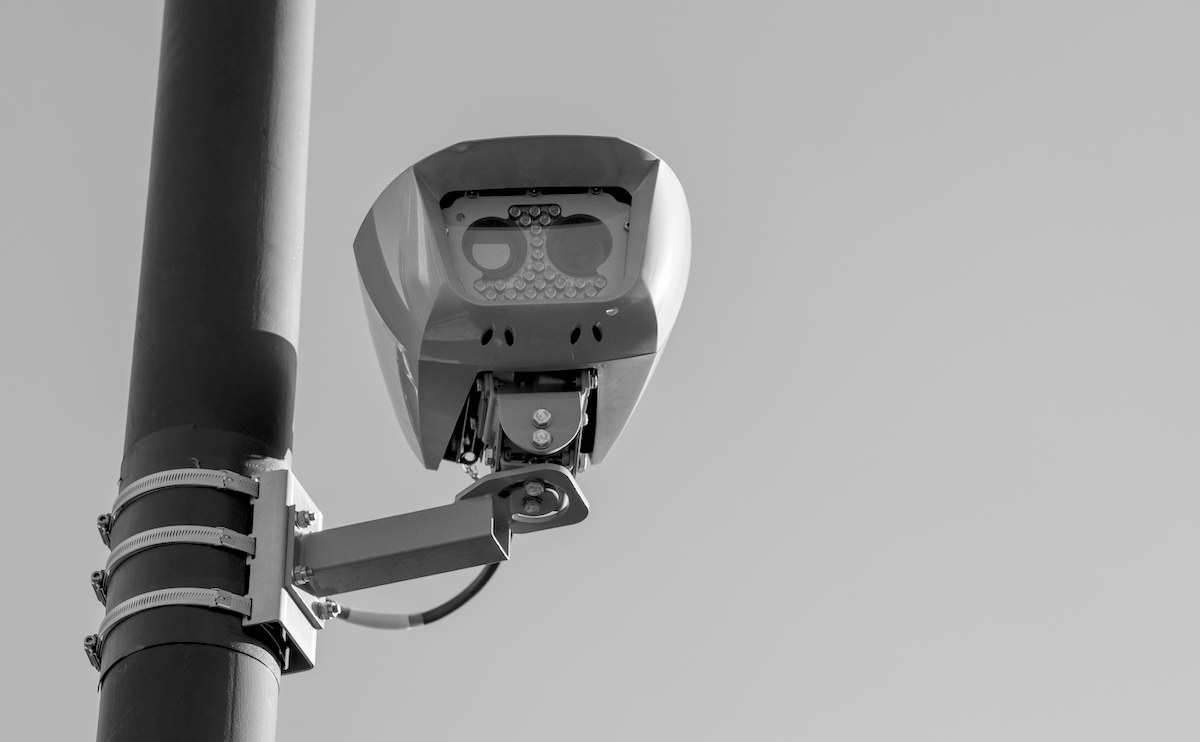
LPR stands for License Plate Recognition. An LPR parking system uses cameras and software to automatically read vehicle license plates as they enter and exit a facility, replacing physical tickets, key cards, or manual attendant checks.
The core components are simple: high-definition cameras positioned at entry and exit points, optical character recognition (OCR) software that converts plate images into readable data, and a backend database that logs, stores, and acts on that information.
The result is a system that knows which cars are in your facility, when they arrived, when they left, and whether they've paid. All without anyone needing to lift a finger.
How It Actually Works
When a vehicle pulls up to your facility, a camera captures an image of the license plate. That image is processed in real time by OCR software, which converts it into alphanumeric data. That data is then checked against your system's database.
Depending on your setup, the system can:
- Automatically open a gate for authorized monthly parkers or pre-registered vehicles
- Start a timed parking session for transient parkers
- Flag unrecognized or unauthorized plates for enforcement
- Trigger payment collection at exit
Modern LPR systems are built to handle real-world conditions — changing light, weather, partially obscured plates — through machine learning algorithms that continuously improve accuracy over time.
Why This Matters for CRE Asset Managers
The operational benefits are real, but the more important question is: what does this mean for your NOI?
- Fewer revenue leaks. Without a reliable system to track who's in your lot, you're relying on the honor system. LPR closes that gap. Every vehicle is logged, every session is tracked, and unauthorized use becomes visible and enforceable.
- Lower labor costs. Manual ticket validation and staffed entry booths are expensive. LPR automates the access control layer entirely, either reducing headcount or freeing your team to focus on higher-value work.
- Better tenant experience. Monthly parkers and building tenants can move in and out without fumbling for access cards or interacting with any hardware. That frictionless experience matters more than you'd think, especially in competitive markets where tenant retention is everything.
- A clearer picture of your asset. LPR data tells you how your parking is actually being used: peak hours, average session length, and occupancy rates by day of the week. If you're trying to right-size your parking strategy or make the case for rate increases, that data is invaluable.
LPR vs. Other Access Systems
It's worth understanding where LPR sits relative to other options.
Traditional ticketed systems require physical infrastructure, manual processing, and staff to function. They create friction at both entry and exit and provide limited data on how your facility is performing.
RFID systems are more automated, but they require every vehicle to carry a tag or transponder, which means they only work well for controlled populations like monthly permit holders. Transient parkers are still a problem.
LPR works for everyone. Monthly parkers, transient visitors, event traffic — every vehicle gets treated the same way. There's no tag to forget, no ticket to lose. For mixed-use facilities or properties with significant transient volume, that flexibility makes a real difference.
What to Know Before You Deploy
LPR isn't a set-it-and-forget-it solution. A few things to evaluate before you move forward:
Infrastructure compatibility. Your current gates, payment systems, and management software need to be able to talk to the LPR platform. Integration gaps are where implementations go sideways.
Data privacy and compliance. LPR systems collect and store vehicle data. Depending on your location and use case, there may be regulatory requirements around how that data is handled and retained. Work with a provider who takes compliance seriously.
Budget and ROI. The upfront investment is real, but model it against reduced staffing costs, revenue recovered from unauthorized use, and incremental gains from better pricing. For most facilities, the math works.
The Bottom Line
An LPR parking system won't transform a poorly located, undermarketed facility into a cash cow. But if you're already generating parking revenue and want to tighten operations, reduce leakage, and unlock better data, it's a genuinely useful tool.
The parking industry is full of technology that overpromises. LPR is one of the areas where the tech is mature, the use cases are proven, and the ROI is measurable. For CRE owners and asset managers looking to squeeze more value from their parking assets, that combination is worth paying attention to.
That's exactly what Vend was built for. Our LPR-enabled platform gives you real-time visibility into your facility, automated access control, and the data infrastructure to actually manage parking like the revenue-generating asset it is — not an afterthought. We work with commercial real estate owners who are done leaving money in the lot and ready to do something about it.
Vend Park offers LPR-enabled parking technology and operations that are proven to increase revenue, reduce expenses, and improve the driver experience. Want to see how it fits your facility? Schedule a demo →
.png)